June 16, 2026
New ISTA Researcher Wins Austrian Zero Emissions Award
Lavinia Saltarelli receives 385,000 euros for climate-relevant research
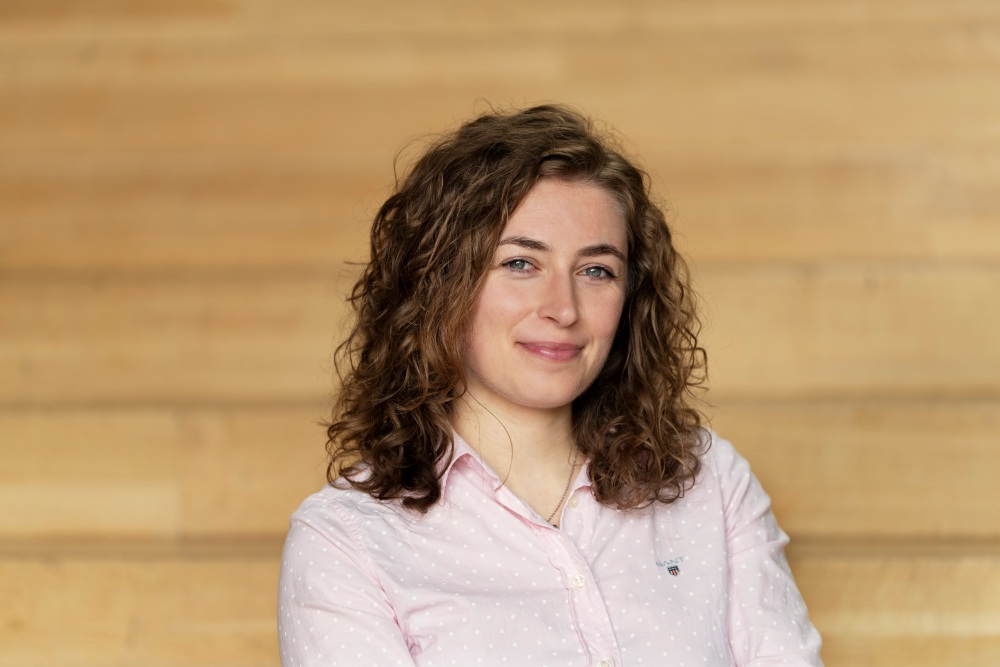
Austria’s most highly endowed privately financed research grant for climate-relevant basic research has entered its third round. Among the two scientists awarded by the alpha+ Foundation of the Austrian Science Fund (FWF) is chemist Lavinia Saltarelli who will join the Freunberger Group at the Institute of Science and Technology Austria (ISTA) in July. She receives a Zero Emissions Award worth 384,705 euros to research the chemical reaction mechanisms in lithium-sulphur batteries, creating the basis for more efficient energy storage. The award will be handed over at the Austrian Science Awards on June 24.
With the Zero Emissions Awards, the alpha+ Foundation annually funds outstanding basic research projects that open up new perspectives for a climate-neutral future. The award goes to research projects combining scientific excellence with technological innovation and whose findings can make a long-term contribution to increasing sustainability and protecting the climate.
The funded projects for the third round of awards have now been announced: Energy researcher Emmanuel Oluwasogo from the Carinthia University of Applied Sciences will receive around €381,200 to develop more efficient technologies for integrating renewable energies into the power grid. And chemist Lavinia Saltarelli who will conduct research at the Institute of Science and Technology Austria (ISTA) starting in July 2026, was awarded approximately €385,000 for research into sustainable battery technologies. The funding of both grants is based on a donation from US entrepreneur Patrick S. Dumont to the alpha+ Foundation of the Austrian Science Fund (FWF).
Sustainable batteries for tomorrow’s energy supply
Powerful and sustainable energy storage systems are needed to make better use of renewable energies such as solar and wind power. However, today’s lithium-ion batteries rely on materials that are rare and expensive and are often extracted under problematic conditions. Lithium-sulphur (Li-S) batteries offer a promising alternative: They store more energy and use sulphur, a substance that is inexpensive and widely available.
While battery technology is well-established, the precise chemical reaction mechanisms of sulfur during charging and discharging in Li-S batteries are not yet fully understood – specifically, which intermediate compounds form, how they evolve, and how this affects the batteries’ performance. Lavinia Saltarelli’s research aims to close this knowledge gap.
She will be observing these reactions inside Li-S batteries in real time, using advanced microscopy and data analysis. By mapping exactly how and when certain compounds form and change during operation, the research will help design smarter, more efficient batteries that require fewer inactive materials – ultimately making Li-S batteries longer-lasting and closer to real-world application.
“This project’s advances are expected to deliver cheaper, safer, longer lasting solid-state Li–S batteries that could surpass today’s lithium-ion technology and accelerate progress toward the zero emissions goal through more environmentally friendly energy storage systems,” explains Saltarelli, who is originally from Italy and, after her time as a postdoc at Aalto University in Finland, will start her research at ISTA in Klosterneuburg, close to the Austrian capital Vienna, on July 1. Here, she will join the research group of Professor Stefan Freunberger, which also hosts last year’s Zero Emissions Award winner Rajesh B. Jethwa.
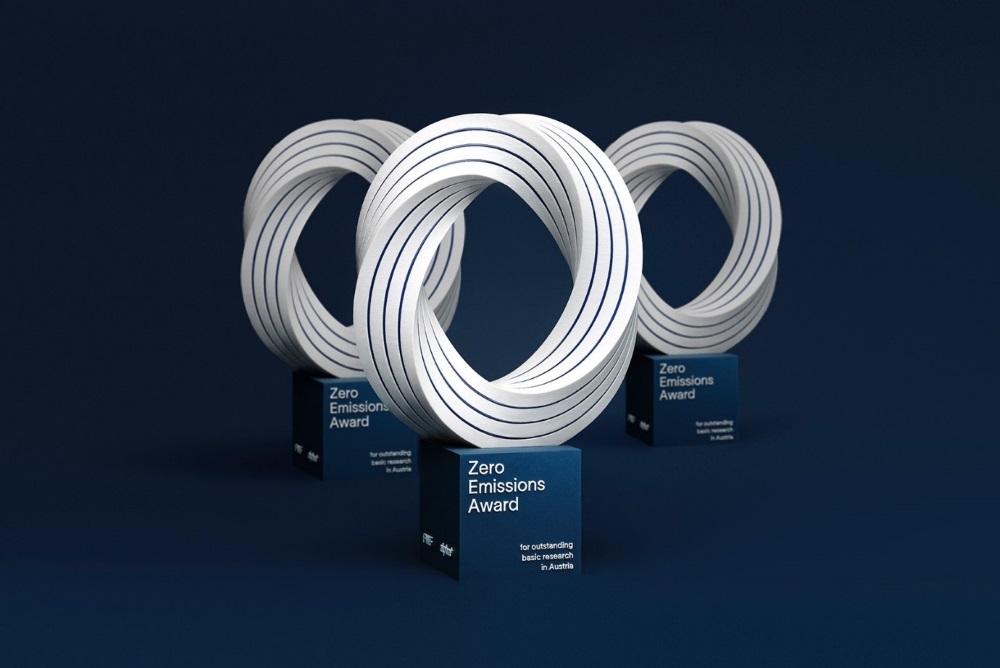
Looking ahead to the Zero Emissions Award 2027: Researchers from universities and non-university research institutions can already submit climate-relevant research proposals.